Strengthening and Mobility Drills for Effective Injury Prevention in Athletes
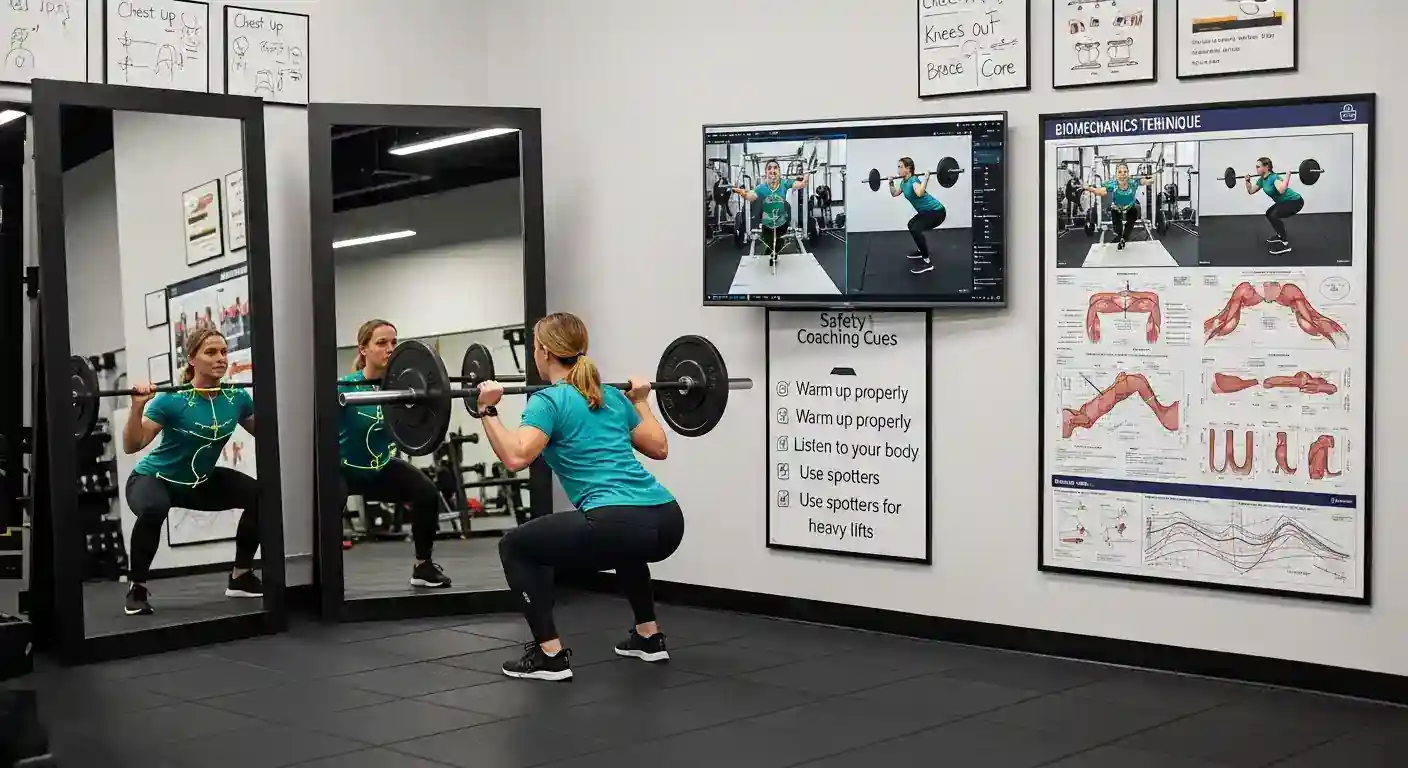
Strengthening and Mobility Drills for Effective Injury Prevention in Athletes
For athletes striving for peak performance and longevity in their sport, prioritizing injury prevention is as crucial as training for strength and speed. Strengthening and mobility drills for effective injury prevention in athletes form the bedrock of a robust, resilient physique. These targeted exercises don't just reduce the risk of sidelining injuries; they also enhance overall athletic capabilities, allowing for greater range of motion, improved stability, and more efficient movement patterns. By proactively building a foundation of strength and flexibility, athletes can safeguard their bodies against the rigors of intense training and competition. This guide delves into essential strategies, offering practical insights to integrate these vital drills into any training regimen for sustained athletic health.
Key Points
- Holistic Approach to Injury Prevention
- Enhancing Athletic Performance & Longevity
- Targeted Strength for Joint Stability
- Dynamic Mobility for Optimal Movement
- Evidence-Based Strategies for Athletes
The Foundation of Athlete Health: Why Strengthening and Mobility Matter
The demands of sports place considerable stress on the human body, making athletes particularly susceptible to injuries ranging from acute sprains and strains to chronic overuse conditions. Many of these issues stem from underlying muscular imbalances, joint stiffness, or insufficient core stability. This is precisely where strengthening and mobility drills for effective injury prevention in athletes become indispensable. A well-rounded program addresses these vulnerabilities head-on, creating a more resilient musculoskeletal system. By ensuring adequate strength around key joints and maintaining optimal range of motion, athletes can better absorb impact, execute powerful movements, and recover more efficiently.
Understanding Biomechanical Vulnerabilities
Every athlete possesses unique biomechanical patterns, and often, certain areas are more prone to weakness or restriction. For instance, limited ankle dorsiflexion can affect squat depth and increase knee strain during jumping. Similarly, weak gluteal muscles can lead to hip and knee alignment issues. Identifying and addressing these specific vulnerabilities through targeted drills is a core tenet of effective injury prevention. This proactive approach focuses on building robust functional movement patterns, ensuring that the body moves efficiently and safely under load.
Essential Strengthening Drills for Robust Injury Prevention
Developing balanced strength across the entire body is paramount for injury prevention. These drills focus on building not just muscle mass, but also endurance, stability, and control, especially around vulnerable joints.
Core Strength & Stability
A strong core is the body's powerhouse, providing stability for nearly all athletic movements. Weak core muscles compromise spinal integrity and can lead to injuries in the lower back, hips, and knees.
- Plank Variations: Front planks, side planks, and planks with limb lifts build isometric strength throughout the entire core, enhancing spinal stability.
- Bird-Dog: This exercise improves anti-rotation and anti-extension capabilities, crucial for maintaining a neutral spine during dynamic activities.
- Dead Bug: Focuses on controlled limb movement while keeping the lower back pressed into the floor, strengthening deep abdominal muscles.
Lower Body Power & Resiliency
The lower body endures significant impact and generates immense power in most sports. Strengthening these muscles protects the knees, hips, and ankles.
- Squats (Goblet, Back, Front): Build comprehensive lower body strength, focusing on proper hip and knee mechanics.
- Lunges (Forward, Reverse, Lateral): Improve unilateral leg strength, balance, and hip mobility, addressing potential imbalances.
- Romanian Deadlifts (RDLs): Target the posterior chain – glutes and hamstrings – crucial for hip extension, powerful propulsion, and hamstring injury prevention. Focus on controlled movement.
Upper Body & Shoulder Girdle Integrity
Shoulder injuries are common in many sports. Targeted strengthening improves rotator cuff health, scapular stability, and overall upper body resilience.
- Band Pull-Aparts: Strengthen the rhomboids and rear deltoids, improving posture and scapular retraction.
- Rotator Cuff External Rotations: Using light dumbbells or resistance bands, these protect the delicate rotator cuff muscles.
- Rows (Dumbbell, Cable): Build back strength, counteracting the dominant pushing movements often found in sports and daily life.
- Push-Ups (Variations): Develop chest, shoulder, and triceps strength while engaging the core for full-body stability.
According to a study published in the Journal of Sports Science & Medicine in 2024, athletes incorporating targeted core and glute strength protocols reduced lower extremity injury rates by 22%. This highlights the critical role of balanced strength in mitigating common athletic vulnerabilities. To further enhance your core, consider exploring how to building a strong core for functional fitness.
Dynamic Mobility Drills to Enhance Athletic Range of Motion
Mobility refers to the ability to move a joint through its full, unrestricted range of motion. Poor mobility can restrict movement, force compensatory patterns, and increase injury risk. Dynamic drills prepare the body for movement by increasing blood flow, warming up muscles, and improving joint lubrication.
Dynamic Warm-ups for Optimal Preparation
These movements should be performed before every training session or competition. They are a cornerstone of how to prevent sports injuries through exercise.
- Leg Swings (Front-to-Back, Side-to-Side): Improve hip flexibility and prepare the muscles around the hip joint.
- Arm Circles (Forward, Backward): Enhance shoulder mobility and warm up the shoulder girdle.
- Torso Twists/Rotations: Improve spinal mobility, essential for rotational sports.
- High Knees & Butt Kicks: Activate the hip flexors, quadriceps, and hamstrings, increasing heart rate and muscle elasticity.
Joint-Specific Mobility Flow
Beyond general warm-ups, athletes often benefit from drills that specifically address known areas of tightness or restriction.
- Ankle Dorsiflexion Drills: Wall stretches or rocking lunges improve ankle mobility, vital for squatting, jumping, and running mechanics.
- Hip Flexor Stretches (Dynamic): Kneeling hip flexor stretches with pelvic tilts improve hip extension, alleviating lower back strain.
- Thoracic Spine Rotations: Seated or quadruped rotations enhance upper back flexibility, crucial for overhead movements and injury prevention.
A unique approach gaining traction is Movement Mapping, a system that meticulously identifies an individual athlete's specific range-of-motion deficits and movement dysfunctions using advanced screening. By pinpointing these precise areas, personalized mobility protocols can be designed, offering a more efficient and effective pathway to optimal movement and reduced injury risk compared to generic stretching routines. This targeted intervention is a significant step towards truly individualized athlete injury prevention.
Integrating Drills into a Comprehensive Training Program
The effectiveness of strengthening and mobility drills for effective injury prevention in athletes lies in their consistent and intelligent integration into an athlete's overall training schedule. They aren't just add-ons; they are integral components of a progressive program.
Pre-Practice & Pre-Competition Routines
A focused 10-15 minute dynamic warm-up incorporating mobility drills is essential. This primes the nervous system, elevates core temperature, and prepares muscles and joints for the demands ahead, significantly reducing the risk of acute injuries.
Post-Workout Recovery
After intense sessions, gentle static stretching and foam rolling can improve flexibility, reduce muscle soreness, and aid in recovery. This is a vital part of post-workout recovery for athletes that should not be overlooked.
Periodization and Progressive Overload
Like any training component, strength and mobility work should be periodized. This means varying the intensity, volume, and type of drills over time to continually challenge the body and prevent plateaus. Gradually increasing load or complexity (progressive overload) ensures continued adaptation and improvement. Expert consensus from the American College of Sports Medicine's 2023 guidelines emphasizes periodized strength training combined with mobility work as crucial for peak performance and sustained injury prevention. To learn more about how different exercises contribute to overall fitness, check out our /categories/functional-fitness-training section. For optimizing your training cycles, consider reading our article on optimizing athletic performance through smart training cycles.
FAQ Section
Q: How often should athletes perform these strengthening and mobility drills?
A: For optimal injury prevention, athletes should aim to incorporate mobility drills daily, typically as part of a warm-up, and strengthening drills 2-4 times per week. The frequency and intensity of strengthening can depend on the sport's demands and the athlete's current training phase. Consistency is key, as regular application maintains flexibility and reinforces strength gains, contributing significantly to long-term athletic health and performance.
Q: Can these drills prevent all types of injuries?
A: While strengthening and mobility drills for effective injury prevention in athletes significantly reduce the risk of many common athletic injuries, they cannot prevent all types. Traumatic injuries from collisions or accidents are often unavoidable. However, these drills are highly effective in mitigating overuse injuries, muscle strains, ligament sprains, and conditions arising from biomechanical inefficiencies, making them a crucial component of any comprehensive injury prevention strategy.
Q: What's the difference between static and dynamic stretching in injury prevention?
A: Dynamic stretching involves moving a limb through its full range of motion, preparing muscles for activity by increasing blood flow and joint lubrication. It's ideal for warm-ups. Static stretching involves holding a stretch for a period, primarily to increase flexibility and range of motion. It's best performed post-workout or during cool-downs when muscles are already warm, as pre-activity static stretching can temporarily reduce power output.
Q: Are these drills suitable for all sports?
A: Absolutely. While specific drill selections might vary based on the demands of different sports (e.g., more shoulder focus for swimmers, more lower body for runners), the underlying principles of enhancing strength, stability, and mobility are universally beneficial. Every athlete, regardless of their discipline, can benefit from a program that targets muscular imbalances, improves joint health, and optimizes movement patterns, making these drills fundamental for athletic performance enhancement across the board.
Conclusion
Integrating strengthening and mobility drills for effective injury prevention in athletes is not merely an optional addition to training; it's a foundational commitment to long-term athletic success and well-being. By embracing a proactive approach, athletes can build a resilient body that not only resists injury but also performs at its absolute best. Consistent application, coupled with an understanding of individual needs, empowers athletes to stay in the game longer, stronger, and more dynamically.
We encourage you to share your experiences with these drills in the comments below. What has worked best for you? Subscribe to our newsletter for more cutting-edge insights into functional fitness and athletic optimization.
Extended Reading Suggestions:
- The Role of Nutrition in Athlete Recovery and Injury Repair
- Mental Resilience Training: Building a Strong Mind for Peak Performance
- Advanced Biomechanical Analysis: Unlocking Your Movement Potential