Strength Training for Runners: Preventing Injuries and Enhancing Performance on the Track
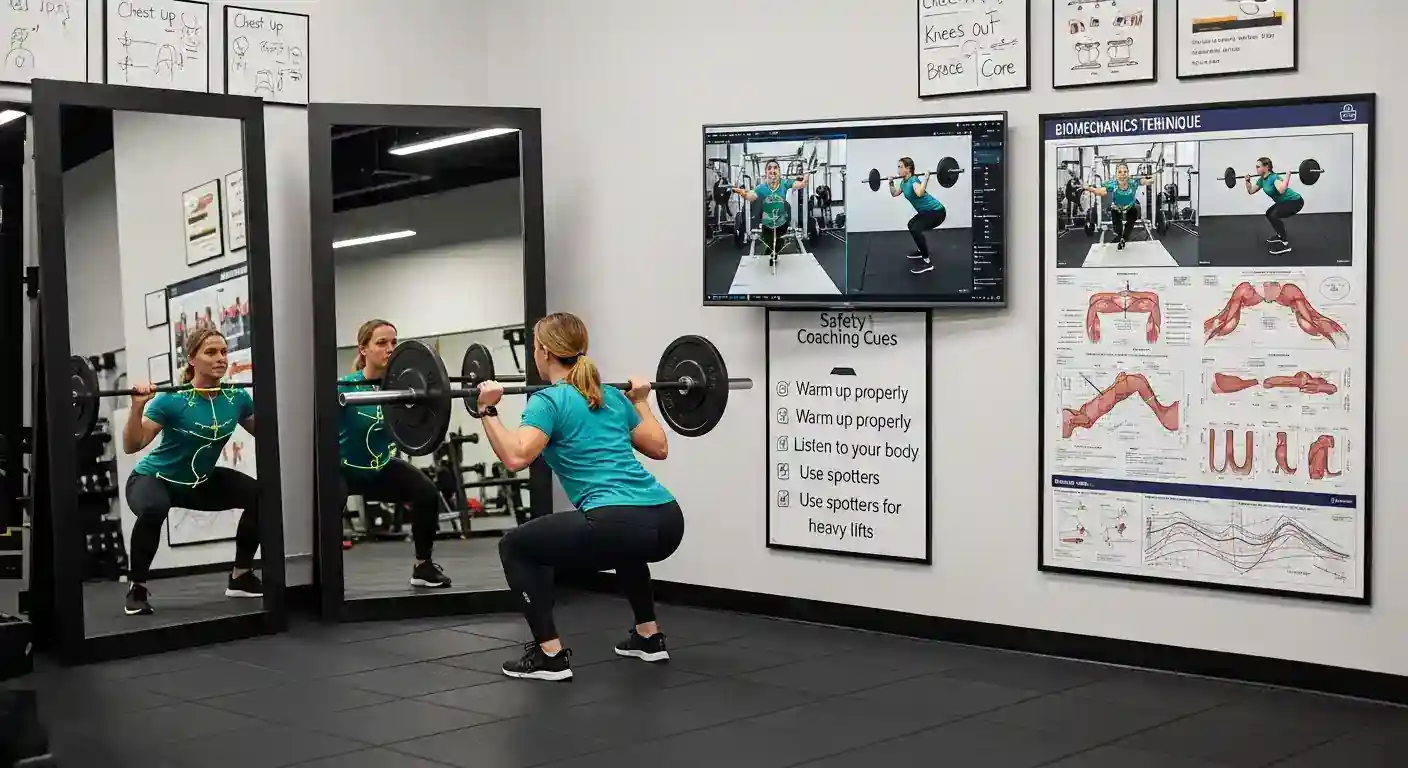
Running is a sport that demands incredible endurance, resilience, and power. While logging miles is fundamental, the secret weapon for many successful athletes lies off the track: strength training for runners. This often-overlooked component is crucial for not only preventing injuries but also for enhancing performance, leading to faster times and greater running longevity. Integrating targeted strength work into your routine builds a more robust, efficient body, capable of withstanding the repetitive impact of running and delivering bursts of speed when it matters most.
Key Points:
- Injury Prevention: Strengthens connective tissues and stabilizes joints, reducing risk.
- Performance Enhancement: Boosts running economy, power, and speed.
- Improved Efficiency: Develops a stronger core and better biomechanics.
- Longevity in Running: Extends your running career by building resilience.
- Holistic Approach: Complements mileage with foundational physical development.
The Indispensable Role of Strength Training for Runners
For years, runners focused almost exclusively on accumulating mileage, often viewing strength training as an activity for bodybuilders, not endurance athletes. This perspective, however, is increasingly outdated. Modern sports science unequivocally supports the critical need for strength training for runners to create a balanced, injury-resistant, and high-performing athlete. It's about building a body that can handle the demands of the road or track, stride after stride.
Why Runners Need More Than Just Miles
Running involves repetitive, high-impact movements that can put immense stress on the musculoskeletal system. Without adequate muscular strength, imbalances develop, leading to inefficient movement patterns and, eventually, injuries like runner's knee, shin splints, or plantar fasciitis. Strength training addresses these vulnerabilities by fortifying the muscles, tendons, and ligaments that support the running motion. It's not just about heavy lifting; it's about smart, functional strength that directly translates to improved running mechanics.
Key Benefits of Strength Training for Runners: Injury Prevention and Performance Boost
The advantages of a well-designed strength program for runners are multifaceted, touching upon every aspect of a runner's journey. From avoiding frustrating setbacks to shaving seconds off personal bests, the benefits are clear and profound.
Fortifying Against Common Running Injuries
One of the most compelling reasons to embrace strength training is its powerful role in runner injury prevention. Strong glutes, quads, hamstrings, and calves act as natural shock absorbers, protecting joints from impact. A robust core provides stability, preventing excessive rotation and strain on the lower back and hips.
According to a comprehensive review published in Sports Medicine in early 2024, regular strength training can reduce running-related injury risk by up to 50%. This is particularly true for overuse injuries, which are rampant among distance runners. By improving muscular endurance and resilience, strength work allows your body to withstand repetitive stress more effectively, keeping you on the track and off the sidelines.
Boosting Running Economy and Speed
Beyond injury prevention, strength training for runners is a game-changer for enhancing running performance. A key concept here is running economy—how efficiently your body uses oxygen at a given pace. Stronger muscles mean less energy is wasted on stabilizing movements, translating to more power directed forward. This improved efficiency directly contributes to faster paces and less fatigue during long runs.
In late 2023, research in the Journal of Strength and Conditioning Research highlighted how specific strength protocols, including plyometrics, significantly improved 5k race times in recreational runners by enhancing stride power and reducing ground contact time. This shows that targeted strength work directly impacts your ability to generate speed and maintain it.
Enhancing Endurance and Power
For endurance runners, the ability to maintain pace over long distances is paramount. Strength training, particularly through exercises that build muscular endurance, helps delay fatigue. When your muscles are stronger, they can perform more work with less effort, allowing you to sustain your desired pace for longer. Meanwhile, for sprinters and middle-distance runners, increased power output from strength training translates into more explosive starts and powerful finishes. This dynamic combination of endurance and power is essential for competitive success.
Essential Strength Exercises for Runners: A Targeted Approach
A runner's strength routine should focus on compound movements that mimic running mechanics, alongside exercises that address common weaknesses. Emphasize proper form over heavy weight initially. Consider incorporating /categories/flexibility-mobility-training into your overall routine to improve overall flexibility and mobility, which complements strength work.
Core Stability: The Foundation of Powerful Running
A strong core is the linchpin of efficient running. It connects the upper and lower body, stabilizing the pelvis and spine, and preventing energy leaks.
- Plank Variations: From basic planks to side planks and plank with hip dips, these build static core strength.
- Bird-Dog: Improves core stability and coordination, focusing on anti-rotation.
- Dead Bug: Excellent for learning to brace the core while moving limbs independently, crucial for dynamic stability.
- Russian Twists: Engages obliques for rotational stability.
Lower Body Power: Glutes, Hips, and Hamstrings
These muscle groups are the primary movers in running, propelling you forward and absorbing impact. Neglecting them is a common mistake.
- Squats (Bodyweight, Goblet, Barbell): Develops overall lower body strength, especially quads and glutes. Focus on depth and control.
- Deadlifts (Romanian Deadlifts, Conventional): Builds powerful glutes and hamstrings, essential for hip extension and injury prevention.
- Glute Bridges/Hip Thrusts: Directly target the glutes, which are often underdeveloped in runners.
- Calf Raises: Strengthens calves, crucial for push-off and absorbing ground impact.
Unilateral Strength: Balancing the Stride
Running is essentially a series of single-leg hops. Unilateral exercises improve balance, stability, and address muscular imbalances between legs.
- Lunges (Forward, Reverse, Lateral): Strengthens each leg independently, improving balance and hip stability.
- Single-Leg Deadlifts: Challenges balance while strengthening hamstrings and glutes on one side.
- Step-Ups: Great for quad and glute strength, mimicking stair climbing or hill running.
Integrating Strength Training into Your Running Schedule
Finding the right balance between running and strength work is key. Most runners benefit from 2-3 strength sessions per week, ideally on non-running days or separated by several hours from quality running workouts.
Periodization and Progressive Overload for Runners
To continuously see gains, implement progressive overload—gradually increasing the demands on your body. This could mean more reps, more sets, heavier weights, or more challenging exercise variations. Periodization, or structuring your training into cycles, ensures you're peaking for races while managing fatigue. For example, during an off-season, you might focus on building foundational strength with heavier weights and lower reps, transitioning to more plyometric and endurance-focused strength work as a race approaches.
Differentiated Insight: The Nuance of Plyometrics for Injury Reduction
While often associated with power and speed, plyometrics (jump training) offer unique benefits for runner injury prevention. Rather than just building raw strength, plyometrics train your body's elasticity and reactivity. Exercises like box jumps, hurdle hops, and bounding teach your muscles and tendons to absorb force efficiently and then quickly re-express it. This resilience is vital for reducing the impact stress runners experience. A 2024 meta-analysis in Journal of Sport and Health Science found that plyometric training significantly improves tendon stiffness and bone density, directly mitigating common overuse injuries. It’s not just about jumping higher; it’s about making your system more robust against running's repetitive stresses.
Differentiated Insight: The Role of Proprioception in Advanced Training
Beyond standard strength, advanced strength training for runners should emphasize proprioception—your body's ability to sense its position and movement. This isn't just about balance; it's about refining neuromuscular control, which is critical for efficient biomechanics and preventing falls or missteps, especially on uneven terrain. Incorporating exercises on unstable surfaces (e.g., balance boards, foam pads) or performing single-leg movements with eyes closed can dramatically improve your body's awareness. This refined control allows for faster, more accurate adjustments during a run, making you a more agile and injury-resistant athlete.
Common Mistakes to Avoid in Strength Training for Runners
- Neglecting Consistency: Sporadic strength sessions yield minimal results. Make it a regular part of your routine.
- Poor Form: Incorrect technique increases injury risk and reduces effectiveness. Prioritize form over weight.
- Overtraining: More isn't always better. Allow adequate recovery between sessions.
- Ignoring Weaknesses: Actively identify and target your personal muscular imbalances.
- Skipping Warm-ups/Cool-downs: Essential for preparing muscles and aiding recovery. Don't forget your
/articles/dynamic-stretching-routine-for-runners-warming-up-and-preventing-injuriesbefore you lift.
Frequently Asked Questions
How often should runners strength train?
Most runners benefit from 2-3 dedicated strength training sessions per week. These sessions should ideally be on non-running days or separated by at least 6-8 hours from your main running workouts to allow for adequate recovery and prevent accumulated fatigue, which could impact your running performance. Consistency is more important than intensity when starting out.
What kind of strength training is best for marathon runners?
Marathon runners should focus on building muscular endurance and overall resilience. This means incorporating compound exercises with moderate weight and higher repetitions (10-15 reps), alongside unilateral movements to improve stability. Plyometrics, executed with proper form, can also enhance running economy and power over long distances. Core strength is paramount for maintaining good form late in a race.
Will strength training make me slower?
This is a common misconception. While excessive bodybuilding-style training could add unwanted bulk, a properly designed strength training for runners program will enhance speed, power, and efficiency without making you slower. It strengthens the muscles responsible for propulsion and stability, improving your running economy and ability to maintain pace, ultimately making you a faster and more injury-resistant runner.
Can strength training truly prevent common running injuries?
Yes, absolutely. Strength training for runners is one of the most effective strategies for runner injury prevention. It fortifies muscles, tendons, and ligaments, making them more resilient to the repetitive stress of running. Strengthening key areas like the glutes, hamstrings, quads, and core helps correct imbalances, improves biomechanics, and acts as a protective shield against common issues like runner's knee, IT band syndrome, and shin splints.
Take Your Running to the Next Level
Incorporating strength training for runners into your routine is not an optional extra; it's a fundamental pillar for success. By committing to targeted strength work, you’re not just chasing faster times; you’re investing in a longer, healthier, and more enjoyable running journey. From preventing injuries to enhancing performance, the benefits are undeniable.
Ready to revolutionize your running? Start small, stay consistent, and listen to your body. Share your favorite strength exercises in the comments below, or tell us how strength training has transformed your running! For more insights into optimal recovery strategies, check out our guide on /articles/optimal-recovery-strategies-for-runners-post-workout-and-injury-prevention.