Progressing in Bodyweight Training: A Blueprint for Mastering Advanced Calisthenics Skills and Strength
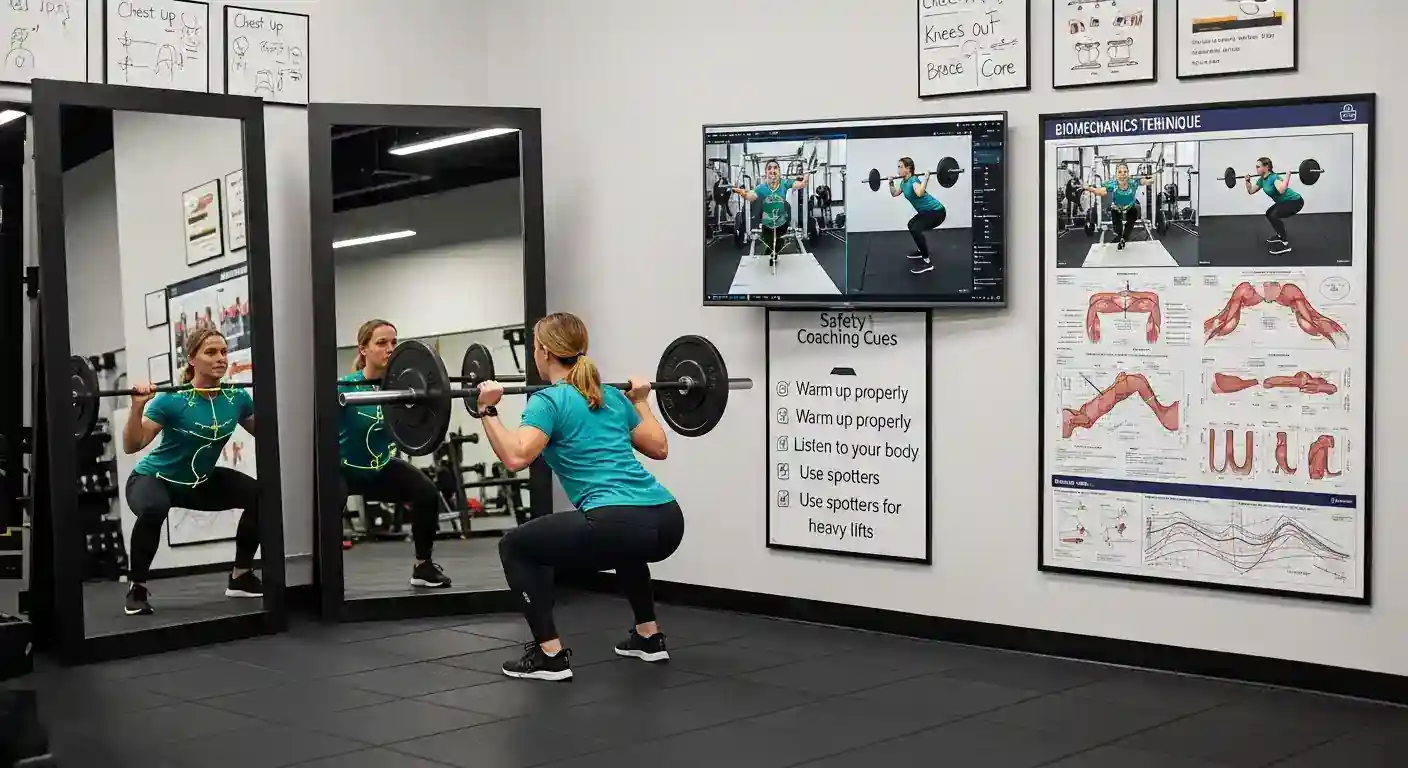
Progressing in Bodyweight Training: A Blueprint for Mastering Advanced Calisthenics Skills and Strength
Embarking on the journey of advanced bodyweight training opens up a world of unparalleled strength, control, and physical artistry. This comprehensive blueprint is designed to guide you through the intricate pathways of mastering advanced calisthenics skills and strength, moving beyond the basics to achieve feats like the planche, front lever, and one-arm pull-up. Success in this domain isn't just about raw power; it's a meticulous blend of strategic programming, neurological adaptation, and unwavering consistency. Whether you're aiming to break through a plateau or planning your next big skill acquisition, this guide offers actionable strategies to elevate your bodyweight practice.
Key Points:
- Structured Periodization: Implement undulating periodization for balanced skill and strength gains.
- Progressive Overload Diversity: Utilize advanced leverage, tempo, and Greasing the Groove techniques.
- Recovery Optimization: Prioritize sleep, nutrition, and active recovery for sustained progress.
- Skill-Specific Drills: Break down complex skills into manageable, progressive steps.
- Mental Fortitude: Cultivate patience and persistence to overcome plateaus.
Laying the Groundwork: Prerequisites for Advanced Bodyweight Training
Before diving into the complexities of advanced calisthenics, it's crucial to ensure your foundation is rock solid. Attempting high-level skills without adequate preparatory strength not only hinders progress but significantly increases injury risk. A true blueprint for progressing in bodyweight training emphasizes a patient, systematic approach.
This means you should comfortably execute fundamental movements with excellent form. Think about achieving at least 10-15 strict pull-ups, 20-30 dips, 20-30 push-ups, and a 60-second hollow body hold. These benchmarks signify a baseline of relative strength and body awareness essential for the intense demands of advanced skills. Moreover, your mobility and flexibility must support the positions required for movements like the planche or human flag. A dedicated focus on mobility drills for the shoulders, wrists, and spine is non-negotiable at this stage.
Strategic Periodization for Advanced Calisthenics Mastery
One of the most significant differentiators in advanced bodyweight programming is the intelligent application of periodization. Unlike simple linear progression, mastering advanced calisthenics skills and strength requires a dynamic approach. We recommend implementing an undulating periodization model, which involves varying training intensity and volume on a weekly or daily basis. This method optimizes both strength and skill acquisition by preventing overtraining and ensuring constant adaptation.
For instance, one week might heavily prioritize strength training with lower reps and higher intensity, focusing on weighted basics or advanced progressions. The following week could shift towards higher volume, lighter intensity, and more skill-specific drills, emphasizing technique and neurological pathways. This cyclical variation ensures your body is always challenged in different ways, leading to superior long-term progress. According to research in the Journal of Applied Physiology (2024), varied training stimuli are key to continuous adaptation in strength athletes, directly translating to the demands of advanced bodyweight pursuits. This approach helps avoid the common pitfalls of stagnation and burnout, making it a cornerstone for progressing in bodyweight training.
Mastering Progressive Overload Beyond Reps
When working with bodyweight, adding weight isn't always an option. Therefore, understanding diverse methods of progressive overload is paramount for mastering advanced calisthenics skills and strength. Beyond simply increasing repetitions, advanced bodyweight training leverages several sophisticated techniques:
- Leverage Adjustment: Small changes in body position can drastically alter a movement's difficulty. For example, moving your hands slightly further back for a planche lean or extending your legs a few inches more in a front lever progression. This micro-progression allows for consistent, challenging overload.
- Tempo Manipulation: Controlling the speed of each phase (eccentric, isometric, concentric) increases time under tension. Slowing down the eccentric phase of a pull-up or holding an isometric position longer builds incredible strength and muscular endurance.
- Reduced Support: Moving from two arms to one (e.g., archer pull-ups leading to one-arm pull-ups) or two legs to one significantly ramps up the intensity.
- Adding External Resistance: While often seen as "non-bodyweight," strategic use of weight vests or resistance bands can accelerate progress, especially for building raw strength in foundational movements.
A highly effective, yet often overlooked, strategy for skill acquisition is Greasing the Groove (GtG). This involves performing a sub-maximal number of repetitions of a specific skill or progression multiple times throughout the day, without reaching fatigue. For example, practicing 2-3 sets of 30-second advanced tuck planche holds 4-5 times a day. This method primarily targets neurological adaptations, improving movement efficiency and strength without accumulating excessive muscular damage. A review published in Sports Medicine Communications (2023) highlights the effectiveness of frequent, low-intensity practice for skill acquisition in complex motor patterns, supporting the GtG approach.
Skill-Specific Training Protocols: Breaking Down Complexity
Advanced calisthenics skills are not learned by simply trying to perform the full movement. They are built through a series of carefully chosen progressive drills. Each drill isolates and strengthens a specific component of the full skill.
Here's a general approach:
- Identify the Core Components: Break down the target skill into its key strength and balance elements. For a planche, this includes straight arm strength, scapular protraction, and core compression.
- Select Specific Drills: Choose exercises that target these components.
- Planche: Pseudo planche push-ups, planche leans, tucked planche holds, straddle planche progressions.
- Front Lever: Tuck front lever holds, advanced tuck front lever raises, one-leg front lever, straddle front lever.
- Human Flag: Flag negatives, side lever raises, one-arm side planks, supported flag holds.
- Implement Negative and Isometric Training: These are invaluable. Negatives (e.g., slowly lowering from a front lever) build eccentric strength, while isometrics (holding a tucked planche) develop static strength and stability in the desired position.
- Use Assistance: Resistance bands can provide just enough support to allow you to practice harder progressions, gradually decreasing assistance as you get stronger.
Remember, consistency with these targeted drills, coupled with the right progressive overload and periodization, is the fastest route to mastering advanced calisthenics skills and strength.
Optimizing Recovery and Regeneration for Calisthenics Mastery
The intensity of advanced bodyweight training places significant stress on your body, making recovery and regeneration not just important, but absolutely critical. Without adequate recovery, progress will stall, and the risk of injury will skyrocket. This is where your commitment to progressing in bodyweight training truly gets tested.
Key strategies include:
- Prioritize Sleep: Aim for 7-9 hours of quality sleep per night. This is when your body repairs muscle tissue and consolidates neurological adaptations.
- Nutrition is Fuel: Consume a balanced diet rich in lean protein for muscle repair, complex carbohydrates for energy, and healthy fats for hormone production. Hydration also plays a vital role.
- Active Recovery: Light activities like walking, foam rolling, stretching, or yoga can improve blood flow, reduce muscle soreness, and enhance flexibility without taxing your system further. Incorporating these can significantly boost your overall recovery capacity. For more in-depth strategies, explore methods for optimizing your recovery protocols.
- Stress Management: High stress levels can impede recovery. Incorporate mindfulness, meditation, or other stress-reducing practices into your routine.
Addressing Plateaus and Overcoming Challenges
Plateaus are an inevitable part of any advanced training journey. When you hit a wall while progressing in bodyweight training, it's a sign to reassess and adjust, not to give up.
- Review Your Form: Often, a plateau is caused by subtle breakdowns in technique. Film yourself and compare it to ideal form.
- Deload Period: Sometimes, the body simply needs a break. A planned deload week with significantly reduced volume and intensity can allow your body to fully recover and come back stronger.
- Introduce Novel Stimuli: If you've been doing the same exercises, swap them for variations or completely new movements to shock your system. For example, if your front lever is stuck, focus on Weighted Pull-ups for a few weeks to build raw pulling strength.
- Cross-Training: Incorporating other forms of training, such as gymnastics rings or even light weightlifting, can address muscular imbalances and reinforce strength in new ways, indirectly boosting your calisthenics skills. It's also wise to consider preventing common calisthenics injuries by listening to your body.
Frequently Asked Questions (FAQ)
How long does it take to master advanced calisthenics skills?
Mastering advanced calisthenics skills like the planche or front lever is a multi-year journey, not a sprint. It typically takes 2-5 years of consistent, strategic training for most individuals to achieve these skills with good form. Factors like genetics, prior athletic experience, body composition, and adherence to proper programming significantly influence the timeline. Patience and persistence are crucial for long-term success.
What's the best way to break through a plateau in bodyweight training?
To break through a plateau, first, reassess your recovery (sleep, nutrition, stress). Then, introduce new stimuli. This could involve changing your periodization model, incorporating different progressive overload techniques like tempo manipulation or advanced leverage drills, or taking a planned deload week. Sometimes, focusing on foundational bodyweight strength for a short period can also help.
Should I incorporate weights into advanced calisthenics training?
Yes, strategically incorporating weights can be highly beneficial for progressing in bodyweight training. Weighted pull-ups, dips, and squats build raw strength that directly translates to bodyweight skills, especially for overcoming strength plateaus. Use weights to augment your training, focusing on compound movements, rather than replacing your bodyweight practice entirely. It can accelerate strength gains needed for advanced calisthenics.
How important is diet for progressing in bodyweight training?
Diet is incredibly important, often as crucial as the training itself. A diet rich in protein supports muscle repair and growth, complex carbohydrates provide energy for intense workouts, and healthy fats are essential for overall health and hormone regulation. Maintaining an appropriate calorie intake (slight surplus for muscle gain, slight deficit for fat loss) also directly impacts your ability to gain strength and recover effectively.
Conclusion: Your Path to Calisthenics Mastery
The journey of progressing in bodyweight training to master advanced calisthenics skills and strength is a testament to dedication, strategic planning, and an unwavering commitment to self-improvement. By implementing a thoughtful periodization model, diversifying your progressive overload techniques, prioritizing meticulous recovery, and systematically breaking down complex skills, you are building a robust blueprint for success. Remember, consistency triumphs over intensity, and every small progression brings you closer to your ultimate goal.
Ready to take your bodyweight training to the next level? Share your biggest calisthenics goal in the comments below, or subscribe for more expert insights and advanced training tips. For further reading, explore our articles on advanced recovery strategies and injury prevention tailored for calisthenics athletes.
Future Subtopics for Expansion:
- The Role of Mobility and Flexibility in Advanced Calisthenics Skills
- Mental Toughness: Cultivating Resilience for High-Level Bodyweight Training
- Advanced Programming: Integrating Strength, Skill, and Endurance Cycles