HIIT Programming Secrets: Design Your Own High-Intensity Workouts for Maximum Sustainable Fat Loss
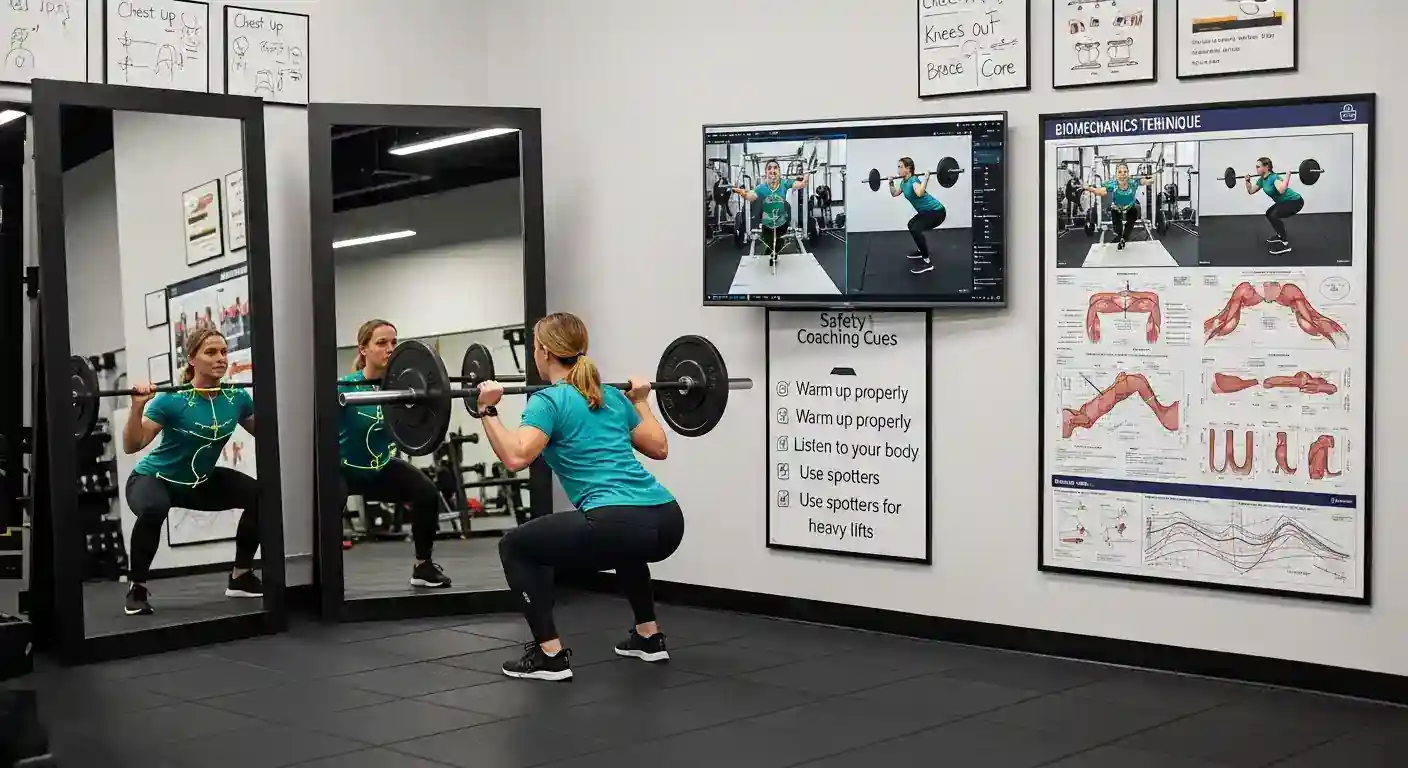
High-Intensity Interval Training (HIIT) has revolutionized the fitness world, offering a potent pathway to fitness and remarkable fat loss. If you're looking to design your own high-intensity workouts for maximum sustainable fat loss, you're in the right place. This guide will reveal the essential HIIT programming secrets that empower you to craft effective, enjoyable, and most importantly, sustainable workout plans tailored to your unique needs. We'll move beyond generic templates, diving deep into the science and practical application of building a HIIT regimen that truly delivers lasting results without burnout.
Key Points:
- Personalized Approach: Learn to customize HIIT for your fitness level and goals.
- Intensity & Structure: Master optimal work-to-rest ratios and exercise selection.
- Sustainability Focus: Emphasize recovery, periodization, and injury prevention.
- Mobility Integration: Discover how flexibility enhances HIIT performance and longevity.
- Advanced Strategies: Unlock techniques for progressive overload and long-term adaptation.
Understanding HIIT for Sustainable Fat Loss
HIIT isn't just about going all-out; it's a strategic approach to training that alternates between short bursts of intense anaerobic exercise and brief, less intense recovery periods. This method significantly elevates your heart rate and keeps it there, triggering a remarkable metabolic response crucial for fat loss. When you design your own high-intensity workouts, understanding these foundational principles is key to unlocking their full potential for maximum sustainable fat loss.
The Science Behind High-Intensity Workouts
The magic of HIIT lies in its ability to create an "afterburn effect," scientifically known as Excess Post-exercise Oxygen Consumption (EPOC). After a challenging HIIT session, your body continues to burn calories at an elevated rate for hours as it recovers and returns to its pre-exercise state. This metabolic boost, combined with improvements in insulin sensitivity and the preservation of lean muscle mass, makes HIIT exceptionally effective for shedding fat. Research published in the Journal of Strength and Conditioning Research (2024) highlighted HIIT's superior impact on fat oxidation compared to steady-state cardio when implemented with proper intensity and recovery protocols.
Why "Sustainable" Matters in Your HIIT Journey
While HIIT is powerful, its high-intensity nature demands careful planning to prevent overtraining, injury, and burnout. Sustainable fat loss means creating a program you can stick with long-term, adapting it as your fitness evolves. This involves not only managing the intensity but also integrating crucial elements like adequate recovery, proper nutrition, and crucially, flexibility and mobility work. Without these components, even the most aggressive HIIT program will eventually lead to plateaus or setbacks.
Core Principles of Effective HIIT Programming
Mastering the core principles of HIIT programming is the first step in unlocking HIIT programming secrets that lead to real results. It's about more than just picking exercises; it's about crafting a smart, efficient sequence that pushes your limits safely.
Intensity vs. Duration: Finding Your Sweet Spot
The "high-intensity" in HIIT means pushing yourself to 80-95% of your maximum heart rate during work intervals. This isn't just uncomfortable; it's where the most significant metabolic adaptations occur. The duration of your work intervals typically ranges from 20 seconds to 2 minutes, followed by recovery periods. Beginners might start with longer recovery times and gradually decrease them as their fitness improves. Remember, consistency at a slightly lower intensity is always better than sporadic, overly intense sessions that lead to injury.
Structuring Your HIIT Intervals (Work-to-Rest Ratios)
The work-to-rest ratio is a cornerstone of effective HIIT. Common ratios include:
- 1:1 Ratio (e.g., 30 seconds work, 30 seconds rest): Excellent for overall fitness, offering a balanced challenge.
- 1:2 Ratio (e.g., 30 seconds work, 60 seconds rest): Ideal for beginners or for exercises requiring precise form, allowing for fuller recovery.
- 2:1 Ratio (e.g., 40 seconds work, 20 seconds rest): More advanced, aiming to keep the heart rate elevated for longer, maximizing EPOC.
Choosing the right ratio depends on your current fitness level and the type of exercise. For example, highly demanding exercises like burpees might benefit from a 1:2 ratio, while cycling sprints could sustain a 1:1 or 2:1 ratio. Experiment to find what allows you to maintain peak intensity without sacrificing form.
Exercise Selection: Compound Movements and Dynamic Warm-ups
Effective HIIT workouts leverage compound, full-body movements that engage multiple muscle groups simultaneously. This maximizes calorie expenditure and muscular activation. Think squats, lunges, push-ups, burpees, mountain climbers, and kettlebell swings. Avoid exercises that are overly complex or require extreme precision when fatigued, as this can increase injury risk.
Always precede your high-intensity workouts with a thorough dynamic warm-up. This prepares your muscles, raises your core temperature, and improves joint mobility, significantly reducing the risk of injury. Examples include arm circles, leg swings, torso twists, and light jogging.
Integrating Mobility and Recovery for Long-Term Success
This is where many general HIIT programs fall short, and it's a crucial component of HIIT programming secrets for sustainability. Neglecting mobility and recovery can lead to imbalances, reduced range of motion, and chronic pain, undermining your efforts to achieve maximum sustainable fat loss. Integrating these elements directly supports your ability to perform HIIT safely and effectively over time.
Pre-HIIT Dynamic Mobility Drills
Before every HIIT session, dedicate 5-10 minutes to dynamic mobility drills. These movements actively take your joints through their full range of motion, improving flexibility and preparing your body for the explosive demands of HIIT. Think about how a wider range of motion in a squat translates to deeper engagement of your glutes and quads, making the exercise more effective and safer. Examples include cat-cow stretches, glute bridges, walking lunges with a twist, and thoracic rotations. You can find many beneficial routines by exploring our resources on dynamic mobility drills. This proactive approach is essential for preventing common HIIT-related injuries.
Active Recovery and Post-HIIT Stretching
Active recovery, like a light walk or cycling, on non-HIIT days, helps to flush out metabolic byproducts and increase blood flow, speeding up muscle repair. Post-HIIT, static stretching targets specific muscle groups, improving flexibility and helping to restore muscle length. Hold each stretch for 20-30 seconds. Focus on major muscle groups used in your workout, such as hamstrings, quads, hip flexors, and chest. Prioritizing these elements is a key differentiator for sustainable progress, ensuring your body is ready for the next challenge. A study published in Sports Medicine International Open (2023) highlighted the significant role of structured recovery strategies in mitigating fatigue and enhancing performance adaptation in high-intensity training athletes.
Advanced HIIT Strategies and Periodization
To ensure maximum sustainable fat loss and avoid plateaus, your HIIT program needs to evolve. These HIIT programming secrets move beyond basic intervals, incorporating strategies for long-term progression.
Progressive Overload in High-Intensity Training
Just like with strength training, progressive overload is vital in HIIT. This means continually challenging your body in new ways. You can achieve this by:
- Increasing Work Interval Duration: Going from 30 seconds to 45 seconds.
- Decreasing Rest Interval Duration: Reducing a 60-second rest to 45 seconds.
- Adding More Rounds/Sets: Performing 8 rounds instead of 6.
- Increasing Resistance/Difficulty: Using heavier weights, jumping higher, or incorporating more challenging variations of exercises.
- Improving Intensity: Pushing harder within the same time frame.
Consistently applying progressive overload ensures your body is always adapting, preventing stagnation in your fat loss journey.
Cycling Intensity for Optimal Results
Periodization, or cycling the intensity and volume of your training, is an advanced but highly effective strategy for long-term sustainability. Instead of training at peak intensity all the time, consider varying your weekly schedule:
- Week 1 (High Intensity): 2-3 maximal effort HIIT sessions.
- Week 2 (Moderate Intensity): 2 HIIT sessions with slightly longer recovery, or a lower perceived exertion.
- Week 3 (Recovery/Deload): 1 light HIIT session or focus on active recovery and mobility.
- Week 4 (Build-up): Return to high intensity, potentially increasing one variable (duration, sets).
This systematic variation prevents overtraining, allows for better recovery, and helps your body adapt more effectively, securing your path to sustainable fat loss. This intelligent approach to training volume and intensity is a cornerstone of sophisticated HIIT programming secrets.
Designing Your Personalized HIIT Program
Ready to put these HIIT programming secrets into action and design your own high-intensity workouts? Here's a blueprint to get started.
A Step-by-Step Blueprint
- Assess Your Current Fitness Level: Be honest. Can you sustain intense effort for short bursts? This determines your starting work-to-rest ratio and exercise selection.
- Choose Your Exercises: Select 4-6 compound movements. Mix cardio-focused (sprints, jumping jacks) with strength-focused (squat jumps, push-ups).
- Determine Your Work-to-Rest Ratio: Beginners start with 1:2; intermediate 1:1; advanced 2:1.
- Set Your Number of Rounds/Circuits: Start with 3-4 rounds and build up.
- Plan Your Warm-up and Cool-down: Don't skip these vital components.
- Incorporate Mobility and Recovery Days: Schedule 10-15 minutes of dynamic mobility before HIIT and 5-10 minutes of static stretching after. Dedicate non-HIIT days to active recovery or specific flexibility and mobility enhancement routines.
- Track Your Progress: Keep a workout journal. Note exercises, duration, reps, and how you felt. This data is invaluable for applying progressive overload.
Sample Weekly Schedule
Here’s an example for someone aiming for maximum sustainable fat loss:
- Monday: HIIT Session (e.g., 30s work/30s rest, 5 exercises, 4 rounds) + Post-HIIT stretching.
- Tuesday: Active Recovery (light walk or yoga) + Dedicated mobility work.
- Wednesday: HIIT Session (e.g., 40s work/20s rest, 4 exercises, 5 rounds) + Post-HIIT stretching.
- Thursday: Strength Training (focus on compound lifts, lower intensity than HIIT).
- Friday: HIIT Session (e.g., Tabata-style, 20s work/10s rest, 6 exercises, 6 rounds) + Post-HIIT stretching.
- Saturday: Active Recovery or longer duration low-intensity cardio.
- Sunday: Rest or gentle mobility work.
This structure allows for high-intensity days balanced with recovery and other forms of exercise, creating a truly sustainable path to fat loss.
Frequently Asked Questions
Understanding the HIIT programming secrets for maximum sustainable fat loss often brings up common questions. Here are answers to some of the most pressing ones.
Q1: How often should I do HIIT for fat loss?
For most individuals, 2-3 HIIT sessions per week are sufficient for significant fat loss. More than this can lead to overtraining, increased injury risk, and diminished returns. It's crucial to balance intense sessions with adequate recovery days, allowing your body time to repair and adapt. Remember, consistency over intensity is key for long-term, sustainable fat loss.
Q2: What's the best work-to-rest ratio for beginners in HIIT?
Beginners should typically start with a 1:2 or even 1:3 work-to-rest ratio (e.g., 30 seconds of work followed by 60-90 seconds of rest). This allows for more complete recovery between high-intensity bursts, enabling better form and reducing the risk of injury. As fitness improves, gradually decrease the rest time to challenge your cardiovascular system further, moving towards a 1:1 ratio.
Q3: Can beginners really do HIIT, or is it too advanced?
Yes, beginners can absolutely do HIIT! The key is to modify exercises and ratios to match your current fitness level. Start with simpler exercises, longer rest periods, and fewer rounds. Listen to your body, focus on proper form, and gradually increase intensity and complexity as you get stronger. HIIT is adaptable and can be scaled for almost anyone.
Q4: How does mobility help my HIIT workouts and fat loss?
Mobility is critical for HIIT because it ensures you can perform exercises with proper form and full range of motion. Enhanced flexibility and joint health reduce injury risk, allowing you to train consistently without setbacks. Good mobility also improves power and efficiency, making your high-intensity workouts more effective and contributing to better overall performance and sustainable fat loss. It prevents your progress from being derailed by tight muscles or stiff joints.
Conclusion: Unlock Your Sustainable Fat Loss Journey
You now hold the HIIT programming secrets to design your own high-intensity workouts for maximum sustainable fat loss. By understanding the science, applying core principles, prioritizing mobility and recovery, and utilizing advanced strategies like periodization, you can create a personalized program that yields lasting results. This isn't just about quick fixes; it's about building a sustainable lifestyle that keeps you strong, healthy, and lean for years to come.
Take the first step today: analyze your current fitness, choose your exercises wisely, and commit to integrating mobility and recovery into your routine. Share your journey and progress in the comments below! What are your favorite HIIT exercises, or what challenges have you faced in designing your workouts?
Further Reading Suggestions:
- Explore advanced recovery techniques to optimize muscle repair.
- Delve deeper into nutritional strategies that complement high-intensity training.
- Learn about incorporating strength training to further enhance your fat loss and overall fitness.