Getting Started with Strength Training: A Complete 8-Week Program for Absolute Beginners
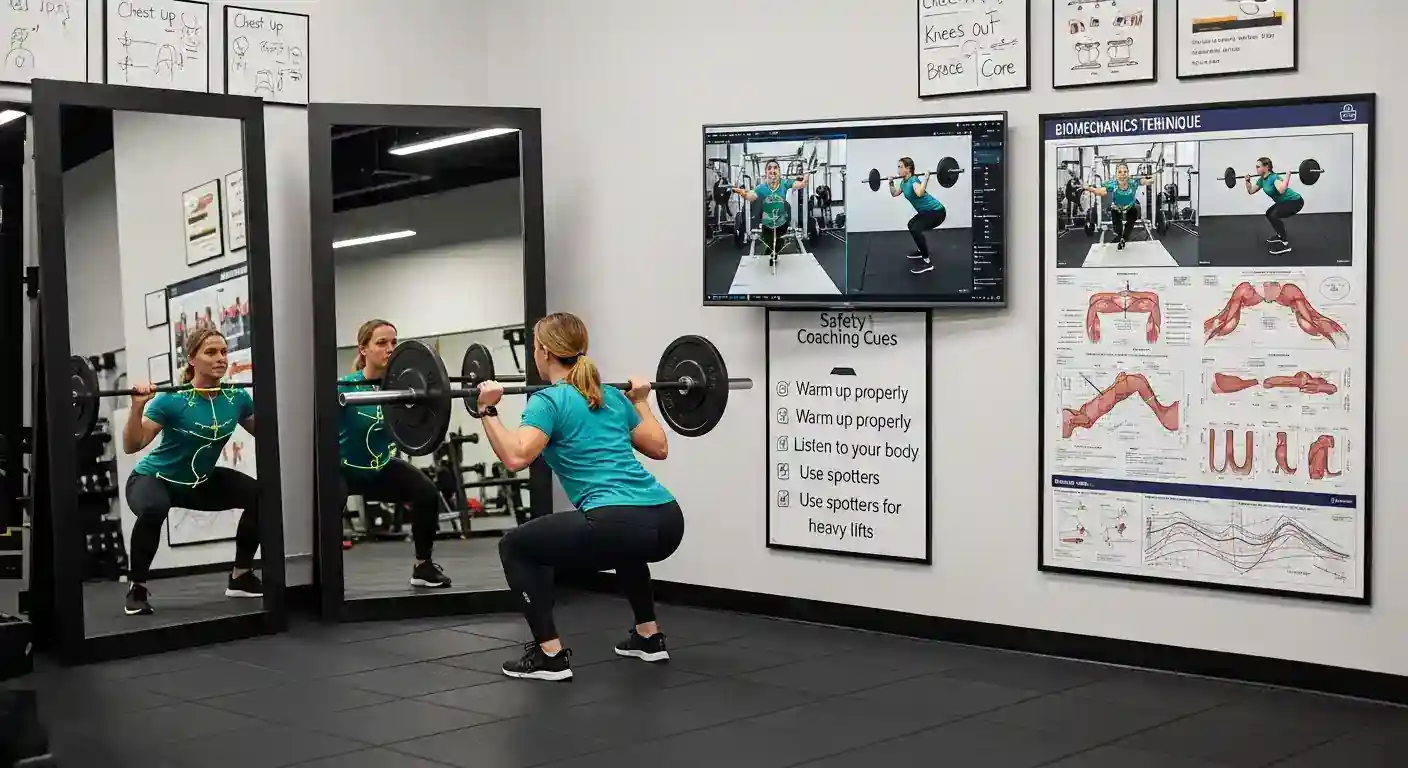
Embarking on a strength training journey can feel daunting, but it’s one of the most rewarding steps you can take for your health and fitness. This guide provides a comprehensive 8-week strength training program for absolute beginners, designed to build a solid foundation, improve strength, and cultivate lasting habits. We’ll demystify complex concepts and provide a clear, actionable roadmap, ensuring you feel confident and prepared from day one. Getting started with strength training has never been easier, and by the end of this program, you'll be stronger, more confident, and ready for your next challenge.
Key Points for Getting Started with Strength Training:
- Structured Progression: Follow a clear 8-week plan tailored for beginners.
- Focus on Form: Learn proper technique to prevent injury and maximize results.
- Essential Principles: Understand progressive overload and the role of recovery.
- Holistic Approach: Integrate nutrition and hydration for optimal performance.
- Sustainable Habits: Build a consistent routine for long-term fitness success.
Why Start Strength Training: Unlocking Beginner Benefits
Strength training offers a plethora of benefits far beyond just building bigger muscles. For absolute beginners, it's a gateway to improved overall health, enhanced daily function, and increased confidence. Regular strength training can significantly boost your metabolism, helping with weight management, and improve bone density, which is crucial for long-term health, particularly as we age. It also strengthens joints, making you more resilient to injuries from everyday activities.
Beyond the physical, the mental benefits are profound. Many individuals report reduced stress, improved sleep quality, and a greater sense of accomplishment. Committing to a routine and seeing your strength grow provides a powerful psychological boost. This guide focuses on getting started with strength training in a way that makes these benefits accessible to everyone.
Essential Principles for Effective Beginner Strength Training
To maximize your results and ensure safety, understanding a few core principles is paramount. These aren't just advanced concepts; they are the bedrock of any successful strength program, especially when you are getting started with strength training.
Progressive Overload Explained
Progressive overload is the fundamental principle driving muscle growth and strength gains. It means gradually increasing the demands placed on your muscles over time. For beginners, this could involve small steps like adding an extra repetition, increasing the weight slightly, or even improving your form and control. The body adapts to stress, so to continue making progress, you must continually challenge it. Ignoring this principle is a common reason why some beginners plateau quickly.
A recent study published in the Journal of Strength and Conditioning Research (2024) highlighted that consistent, gradual progressive overload is more effective for novice strength gains than sporadic, high-intensity efforts. This approach ensures sustainable progress and minimizes injury risk.
Prioritizing Proper Form
Correct exercise form is non-negotiable, especially for beginners. Proper form ensures that you're targeting the intended muscles, preventing undue stress on joints and ligaments. It's always better to lift a lighter weight with perfect form than to struggle with a heavier weight using poor technique. Initially, focus on mastering the movement patterns without any weight, or with very light weights. This builds muscle memory and sets you up for long-term success.
Think of it this way: your body is an intricate machine. Would you rather build a house on a shaky foundation, or a strong, stable one? Always choose stability. Learning the nuances of each movement will save you from potential injuries and vastly improve your results. For more in-depth guidance on proper technique, consider reviewing articles on specific exercise execution, such as /articles/mastering-the-deadlift-proper-form-and-technique.
The Importance of Recovery
Often overlooked, recovery is when your muscles actually grow stronger. During strength training, you create microscopic tears in your muscle fibers. Adequate rest, sleep, and nutrition allow these fibers to repair and rebuild, leading to increased strength and size. Aim for 7-9 hours of quality sleep per night. Neglecting recovery can lead to overtraining, fatigue, decreased performance, and a higher risk of injury. Remember, muscle growth happens outside the gym.
Preparing for Your 8-Week Strength Training Journey
Before diving into the workouts, a little preparation goes a long way. This ensures you have everything you need and understand the foundational practices.
Equipment Basics for Beginner Strength Training
For an absolute beginner, you don't need a fancy gym membership or a home gym full of expensive equipment. Many effective exercises can be done with minimal gear.
- Dumbbells: A pair of adjustable dumbbells or a few fixed weights (light to moderate) are highly versatile.
- Resistance Bands: Great for warm-ups, cool-downs, and adding resistance to bodyweight movements.
- A Yoga Mat: For floor exercises and comfort.
- Comfortable Clothing and Shoes: Allows for full range of motion.
- Water Bottle: Stay hydrated!
If you're starting at a gym, you'll have access to a wider range of machines and free weights, but the principles remain the same.
Warm-up and Cool-down: Non-Negotiables
Every workout should begin with a warm-up and end with a cool-down.
- Warm-up (5-10 minutes): Light cardio (jogging, jumping jacks) to increase blood flow, followed by dynamic stretches (arm circles, leg swings) to prepare your joints and muscles for movement. This reduces injury risk and improves performance.
- Cool-down (5-10 minutes): Light cardio followed by static stretches (holding a stretch for 20-30 seconds) to improve flexibility and aid in recovery. A publication in Sports Medicine Journal (2023) underscored the significant role of proper warm-up and cool-down protocols in injury prevention and post-exercise recovery among new trainees.
Your Complete 8-Week Strength Training Program for Absolute Beginners
This program is designed with progressive overload in mind, gradually increasing intensity over two phases. Perform 2-3 full-body workouts per week on non-consecutive days (e.g., Monday, Wednesday, Friday) to allow for adequate recovery.
Program Overview:
- Phase 1 (Weeks 1-4): Foundation Building: Focus on mastering basic movement patterns and building endurance.
- Phase 2 (Weeks 5-8): Progressive Challenge: Gradually increase weight or repetitions, focusing on strength gains.
Aim for 2-3 sets of 8-12 repetitions for most exercises, with 60-90 seconds rest between sets. If you can comfortably complete 12 reps with good form, it's time to slightly increase the weight or resistance for your next session.
Weeks 1-4: Foundation Building
This phase emphasizes learning the movements and establishing consistency. Do not worry about heavy weights; focus entirely on form.
Workout A:
- Goblet Squat: 3 sets of 10-12 reps. Master the deep squat movement.
- Dumbbell Row: 3 sets of 10-12 reps per arm. Focus on pulling with your back muscles.
- Push-ups (on knees or incline): 3 sets to failure (as many as you can do with good form). Build upper body pushing strength.
- Plank: 3 sets, hold for 30-45 seconds. Strengthen your core.
- Glute Bridge: 3 sets of 12-15 reps. Activate your glutes and hamstrings.
Workout B:
- Dumbbell Deadlift (Romanian Deadlift style): 3 sets of 10-12 reps. Learn to hinge at the hips safely.
- Overhead Press (Dumbbell): 3 sets of 8-10 reps. Develop shoulder strength.
- Lunges (alternating legs): 3 sets of 10-12 reps per leg. Improve leg strength and balance.
- Dumbbell Bicep Curl: 3 sets of 10-12 reps. Isolate bicep strength.
- Dumbbell Triceps Extension: 3 sets of 10-12 reps. Work the back of your arms.
Weeks 5-8: Progressive Challenge
In this phase, you will start to apply progressive overload. Once you can comfortably complete the upper end of the rep range for 2-3 sets with good form, slightly increase the weight. If you're using bodyweight, consider adding more reps, slowing down the movement, or using a resistance band.
Workout A:
- Goblet Squat: 3 sets of 8-12 reps. Increase weight slightly.
- Dumbbell Row: 3 sets of 8-12 reps per arm. Increase weight slightly.
- Push-ups (on toes or decline): 3 sets to failure. Progress to a harder variation.
- Side Plank: 3 sets, hold for 30 seconds per side. Challenge your obliques.
- Dumbbell Romanian Deadlift: 3 sets of 8-12 reps. Focus on controlled movement and feeling the stretch.
Workout B:
- Dumbbell Bench Press (on floor or bench): 3 sets of 8-12 reps. A new chest exercise.
- Dumbbell Overhead Press: 3 sets of 8-12 reps. Continue to progress weight.
- Step-ups (on a sturdy box/chair): 3 sets of 10-12 reps per leg. Enhance single-leg strength.
- Hammer Curls (Dumbbell): 3 sets of 10-12 reps. A variation for bicep development.
- Overhead Triceps Extension (Dumbbell): 3 sets of 10-12 reps. Another tricep builder.
Common Beginner Strength Training Mistakes to Avoid
When getting started with strength training, it's easy to fall into common traps. Being aware of these can save you frustration and injury.
- Skipping Warm-ups and Cool-downs: As mentioned, these are vital for preparation and recovery. Never skip them.
- Ego Lifting: Trying to lift too much weight too soon. This almost always leads to poor form and potential injury. Prioritize form always.
- Lack of Consistency: Strength gains are made over time, not overnight. Stick to your 2-3 workouts per week.
- Neglecting Nutrition and Hydration: Your body needs fuel to perform and recover. We'll discuss this next.
- Not Tracking Progress: Keeping a simple log of your workouts helps you apply progressive overload effectively.
Fueling Your Progress: Nutrition and Hydration
Your efforts in the gym are only half the equation. What you eat and drink plays a critical role in your ability to recover and build muscle. When getting started with strength training, paying attention to your diet will accelerate your results.
- Protein: Aim for adequate protein intake to support muscle repair and growth (e.g., lean meats, poultry, fish, eggs, dairy, legumes, tofu). A general guideline is 1.6-2.2 grams of protein per kilogram of body weight per day.
- Carbohydrates: Provide energy for your workouts and help replenish glycogen stores (e.g., whole grains, fruits, vegetables).
- Healthy Fats: Essential for hormone production and overall health (e.g., avocados, nuts, seeds, olive oil).
- Hydration: Drink plenty of water throughout the day. Dehydration can impair performance and recovery.
Think of food as fuel for your growing strength. Proper nutrition ensures you're giving your body the best chance to adapt and grow stronger. For more detailed nutritional strategies, check out articles like /articles/essential-nutrition-tips-for-building-muscle.
Frequently Asked Questions About Strength Training for Absolute Beginners
Q1: How quickly will I see results from this 8-week program?
You can expect to feel stronger and notice improvements in your endurance within the first 2-4 weeks. Visible changes in muscle definition or size typically begin to appear around 6-8 weeks, especially if you're consistent with both training and nutrition. Remember that individual results vary based on starting point, genetics, and adherence to the program.
Q2: Is it okay to do strength training every day as a beginner?
No, it's generally not recommended for absolute beginners to strength train every day. Your muscles need time to recover and rebuild after a workout. This 8-week program recommends 2-3 full-body workouts per week on non-consecutive days, allowing 24-48 hours of rest between sessions for optimal recovery and growth. Overtraining can lead to injury and burnout.
Q3: What should I do after completing the 8-week beginner program?
After completing this 8-week program, you'll have a solid foundation. You can then progress to more advanced programs that might involve split routines (e.g., upper body/lower body splits), introduce new exercises, or utilize heavier weights with fewer repetitions. Consider exploring programs focused on specific goals like hypertrophy (muscle growth) or advanced strength.
Conclusion: Your Journey to a Stronger Self Begins Now
Congratulations on taking the first step towards a stronger, healthier you. Getting started with strength training is a transformative process, and this 8-week program provides the structure and guidance you need to succeed. Remember to prioritize proper form, embrace progressive overload, and commit to consistent recovery and nutrition.
The journey to strength is continuous, and this program is just the beginning. We encourage you to track your progress, celebrate your small victories, and stay engaged with your fitness goals.
- Share Your Experience: What are your biggest takeaways from this program? Share your thoughts and questions in the comments below!
- Stay Updated: Subscribe to our newsletter for more expert tips, program updates, and exclusive content to support your fitness journey.
- Continue Learning: Explore our category on
/categories/strength-training-programsfor more programs and articles that can further your understanding and progress.
This information is current as of its publication date (December 3, 2025). We recommend revisiting your program design every 8-12 weeks to ensure continued progress and to adapt to your evolving fitness levels. Future topics could include advanced progressive overload techniques, specialized training for specific muscle groups, or incorporating plyometrics for power development.