Designing Your Home Functional Fitness Workout: Exercises to Build Practical Strength and Prevent Injuries
Designing Your Home Functional Fitness Workout: Exercises to Build Practical Strength and Prevent Injuries
Embarking on a journey to enhance your physical well-being from the comfort of your home is both empowering and efficient. This guide focuses on designing your home functional fitness workout, a regimen that moves beyond mere aesthetics to cultivate practical strength, improve mobility, and significantly reduce the risk of injury. Functional fitness targets movements that mimic everyday activities, preparing your body for the demands of real life, whether it's lifting groceries, playing with children, or navigating uneven terrain. By integrating these specific exercises into your routine, you'll not only feel stronger but also move with greater ease and confidence in every aspect of your daily life.
Key Points for Your Home Functional Fitness Workout
- Focus on Foundational Movements: Prioritize exercises that build core strength and stability.
- Embrace Bodyweight & Minimal Equipment: Leverage your body and a few inexpensive tools.
- Incorporate Unilateral & Multi-planar Exercises: Boost balance and real-world strength.
- Prioritize Form Over Speed: Correct technique is crucial for safety and effectiveness.
- Consistency is Key: Regular practice leads to lasting results and injury prevention.
Understanding Functional Fitness and Its Home Application
Functional fitness is more than just a buzzword; it's a holistic approach to training that emphasizes movements over isolated muscle groups. Instead of focusing on biceps curls or triceps extensions, it involves exercises that mimic how your body naturally moves, such as squatting, pushing, pulling, bending, twisting, and gait (walking/running). When designing your home functional fitness workout, this approach becomes incredibly accessible, as many effective functional movements require little to no equipment.
The primary goal of functional fitness is to prepare your body for the demands of daily life and recreational activities. This means building practical strength that translates directly to improved performance and a reduced likelihood of strain or injury. A well-designed home functional fitness routine will improve your balance, coordination, agility, and endurance, making everyday tasks feel easier and more fluid.
Core Principles for Designing Your Home Functional Fitness Workout
To effectively build a routine that truly serves your body, consider these foundational principles. They ensure your workout is safe, progressive, and maximally beneficial for cultivating practical strength and preventing injuries.
- Progressive Overload: To continue getting stronger, you must gradually increase the demand on your muscles. This doesn't always mean more weight; it can be more repetitions, slower movements, shorter rest times, or more complex variations of an exercise.
- Variety and Adaptability: Your body adapts quickly. Incorporating a variety of exercises and movement patterns keeps your muscles guessing and continuously challenged. This also prevents plateaus and boredom.
- Mind-Muscle Connection: Pay attention to how your muscles feel during each exercise. Focusing on the contraction and control helps improve form and effectiveness, deepening the benefits of your home functional fitness workout.
- Listen to Your Body: Rest and recovery are as crucial as the workout itself. Don't push through sharp pain. Adjust your routine based on how you feel.
- Consistency: Regularity trumps intensity. A moderate workout performed consistently multiple times a week will yield better long-term results than sporadic, intense sessions.
Essential Functional Exercises You Can Do At Home
When it comes to designing your home functional fitness workout, a wide array of exercises can be performed with minimal space and equipment. These movements target multiple muscle groups simultaneously, enhancing overall practical strength and coordination.
Foundational Bodyweight Movements
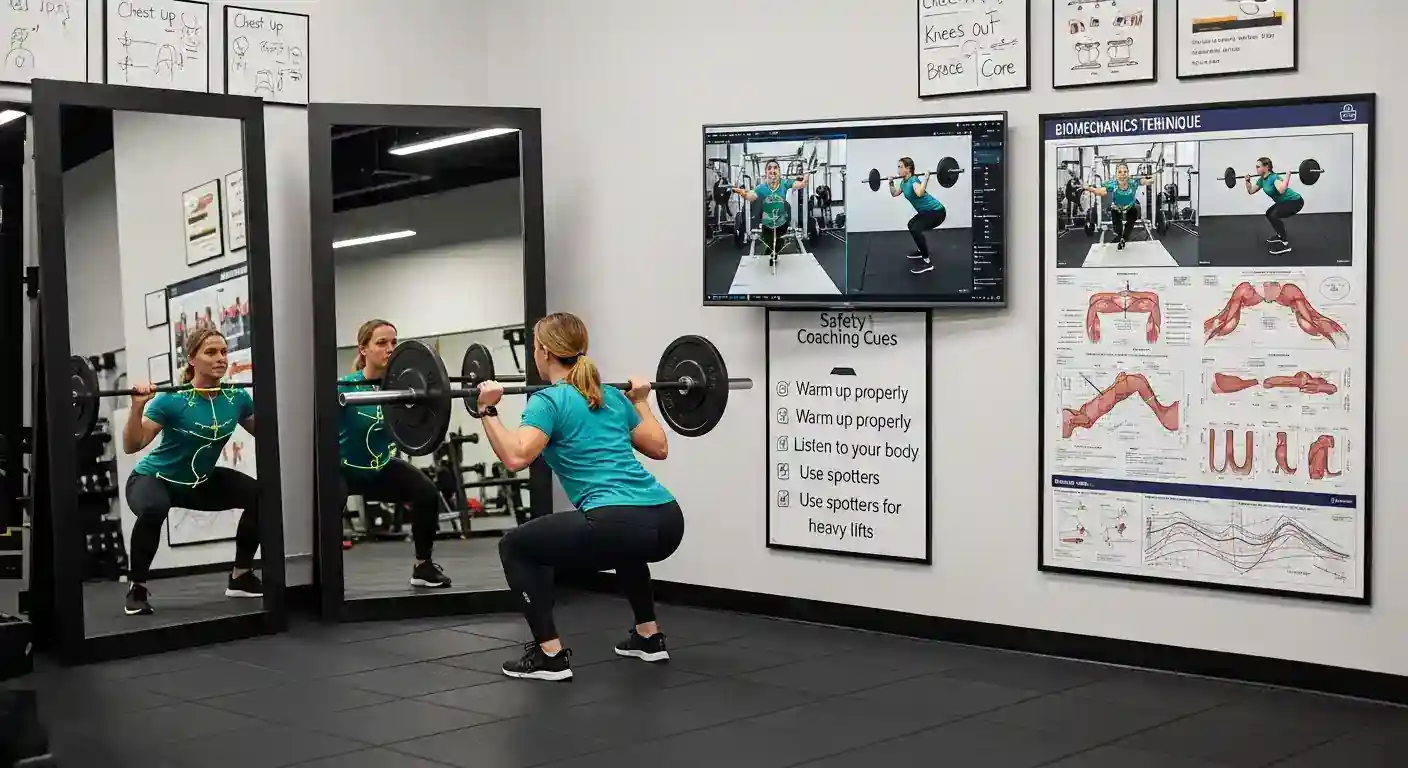
- Squats: The bedrock of lower body strength, engaging glutes, quads, and core. Aim for a full range of motion, keeping your chest up.
- Lunges (Forward, Reverse, Lateral): Essential for single-leg strength, balance, and hip mobility. Lateral lunges are particularly excellent for moving in a different plane.
- Push-ups: A fantastic upper body and core exercise. Vary hand placement for different muscle emphasis.
- Planks (Standard, Side, Dynamic): Builds crucial core stability. Holding static planks is good, but adding dynamic elements like plank taps or hip dips further challenges stability.
- Glute Bridges: Strengthens the glutes and hamstrings, vital for hip extension and lower back health.
- Bird-Dog: Improves core stability, balance, and coordination, particularly beneficial for spinal health.
Enhancing Your Routine with Minimal Equipment
If you have access to resistance bands, a kettlebell, or a set of dumbbells, you can significantly expand your exercise repertoire.
- Resistance Band Rows: Mimics pulling motions, strengthening the back muscles often neglected in home workouts.
- Kettlebell Swings (if proficient): A powerful full-body exercise that builds explosive strength and cardiovascular endurance. Proper form is paramount to prevent injury.
- Dumbbell Overhead Press: Strengthens shoulders and triceps, improving overhead stability.
- Resistance Band Walks: Excellent for hip abductor strength, which is key for knee stability and preventing many common lower body injuries.
Building Practical Strength: Progression and Unilateral Focus
To continually build practical strength and improve your overall fitness, understanding how to progress your exercises is vital. Beyond simply adding more reps, consider these strategies:
- Slow Down Movements: Performing exercises with a slower tempo, especially during the eccentric (lowering) phase, increases time under tension, leading to greater strength gains.
- Increase Range of Motion: Safely increasing the depth of your squats or lunges can challenge your muscles more effectively.
- Introduce Unilateral Exercises: Many home workout guides focus heavily on bilateral movements (e.g., two-leg squats). However, incorporating more unilateral exercises, like single-leg squats, pistol squats (advanced), or Bulgarian split squats, offers significant differentiated value. These movements demand greater balance and stability, mirroring real-life actions where you often bear weight on one leg. They are crucial for correcting muscle imbalances and enhancing functional power.
- Movement Variability: Instead of just linear progression, try movement variability. For example, instead of only doing standard squats, try sumo squats, goblet squats (if you have a weight), or jump squats. This challenges your body in slightly different ways, promoting more adaptable strength.
According to a comprehensive review in Sports Medicine in early 2025, the efficacy of bodyweight functional training for improving daily performance in adults is significantly enhanced by incorporating multi-planar and unilateral movements, as they better replicate real-world physical demands.
Preventing Injuries Through Smart Workout Design
Injury prevention is a cornerstone of functional fitness, especially when designing your home functional fitness workout. A smart approach prioritizes technique, listens to your body, and includes proper warm-ups and cool-downs.
- Prioritize Proper Form: Always choose perfect form over speed or the number of repetitions. Incorrect form is the leading cause of exercise-related injuries. If you're unsure about a movement, film yourself or consult online resources for demonstrations. Improving your form is a constant journey, and our article on /articles/mastering-the-perfect-push-up-technique-for-maximum-results offers specific guidance for one key exercise.
- Dynamic Warm-ups: Before diving into your main workout, perform 5-10 minutes of dynamic movements like arm circles, leg swings, torso twists, and light cardio (e.g., marching in place). According to a study published in the Journal of Strength and Conditioning Research in late 2023, consistent dynamic warm-ups significantly reduce musculoskeletal injury rates across various fitness levels.
- Cool-down and Stretching: Conclude your workout with static stretches, holding each for 20-30 seconds. This helps improve flexibility and aids in muscle recovery.
- Listen to Your Body: Distinguish between muscle fatigue and pain. Sharp, persistent pain is a signal to stop and assess. Taking an extra rest day or modifying an exercise is always better than pushing into an injury.
Setting Up Your Home Functional Fitness Space
One of the great advantages of designing your home functional fitness workout is the minimal equipment requirement.
- Dedicated Space: Even a small clear area in your living room or bedroom is sufficient. Ensure you have enough room to move freely without hitting furniture.
- Essential Equipment:
- Yoga Mat: Provides comfort and grip for floor exercises.
- Resistance Bands: Versatile for adding resistance to squats, glute bridges, and upper body exercises.
- Jump Rope: Excellent for cardiovascular conditioning and coordination.
- Optional: A sturdy chair or bench for step-ups or incline push-ups.
- Safety First: Ensure your workout area is free of tripping hazards. If using weights, use them cautiously and know your limits.
FAQ Section
How often should I do functional fitness at home?
For optimal results and injury prevention, aim for 3-5 functional fitness workouts per week, allowing for rest days in between. Listen to your body; if you're new to exercise, start with 2-3 days and gradually increase frequency as your strength and endurance improve. Consistency is more important than the duration or intensity of individual sessions.
Do I need equipment for a functional fitness workout?
No, you don't necessarily need equipment. Many highly effective functional exercises like squats, lunges, push-ups, planks, and glute bridges rely solely on your body weight. Adding inexpensive items like resistance bands or a jump rope can enhance your routine, but a robust functional fitness workout is entirely possible without any specialized gear.
What's the best way to track my progress in functional fitness?
Tracking progress can involve several methods. You can log the number of repetitions and sets for each exercise, measure the duration you hold planks, or note improvements in your ability to perform daily tasks (e.g., carrying groceries with less effort). You could also track qualitative improvements like increased energy levels or reduced joint pain, which are significant indicators of progress.
Can functional fitness really prevent injuries?
Yes, absolutely. Functional fitness strengthens the muscles, ligaments, and tendons involved in everyday movements, leading to improved joint stability, balance, and coordination. By identifying and addressing muscle imbalances and weaknesses, it helps your body move more efficiently and resiliently, making you less susceptible to strains, sprains, and other common injuries.
Take the Next Step in Your Fitness Journey
Designing your home functional fitness workout is an investment in your long-term health, strength, and independence. By focusing on practical movements and building resilience, you're not just exercising; you're future-proofing your body. Begin today with the foundational exercises and gradually introduce variations and progressions.
We encourage you to share your experiences and progress in the comments below – your journey can inspire others! For those looking to dive deeper into optimizing their routine, consider exploring our comprehensive resources on /categories/exercise-technique-mastery for advanced form tips, or learn about /articles/the-ultimate-guide-to-post-workout-recovery-maximizing-gains-and-minimizing-soreness to ensure your body recovers effectively. Remember, the world of fitness is constantly evolving; stay informed and regularly review your routine. This information is current as of its publication date, but we recommend checking for updated guidelines annually.
For future exploration, consider these related subtopics:
- Advanced bodyweight functional movements for home.
- The role of nutrition in supporting a home functional fitness regimen.
- Integrating mindfulness and stretching for enhanced mobility.