Designing Your First Strength Training Program: Evidence-Based Methods for Beginners
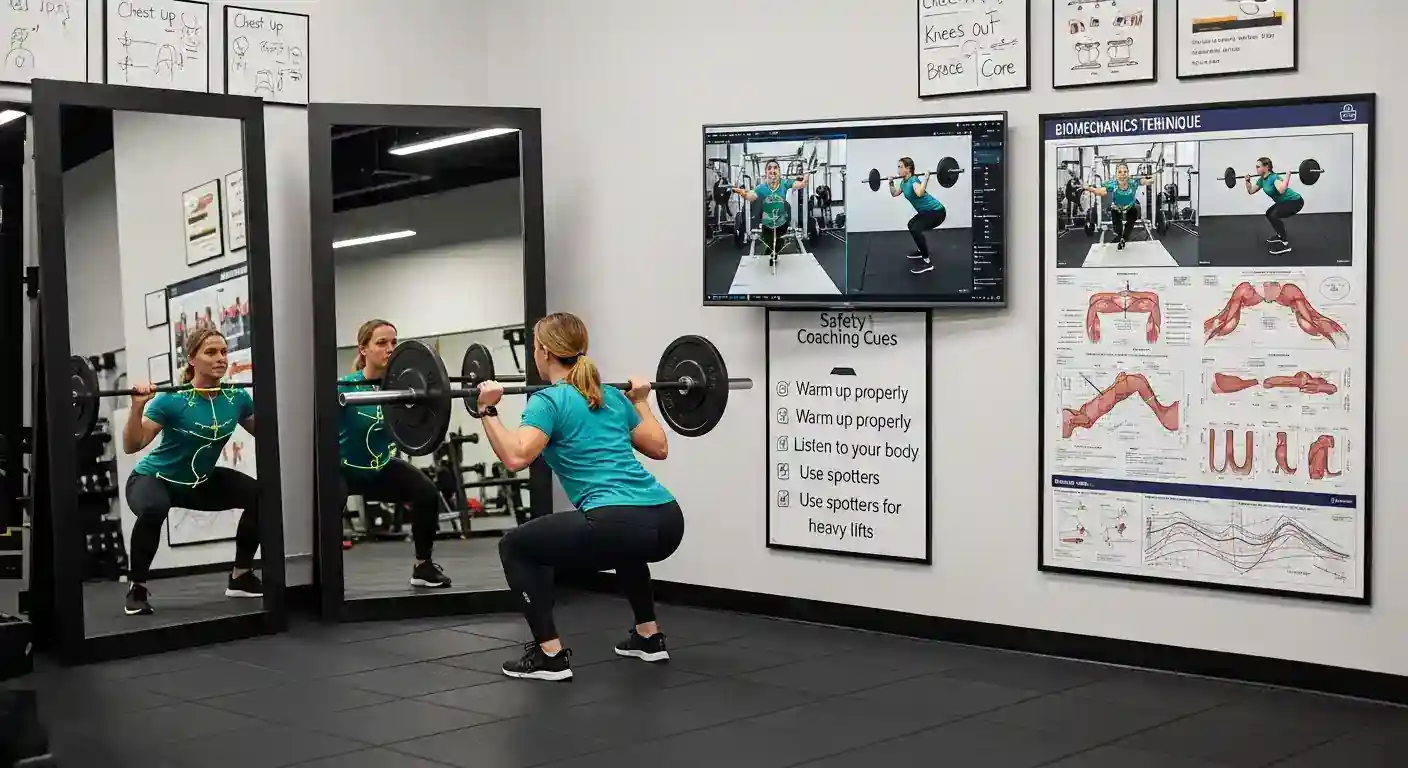
Embarking on your strength training journey is an exciting step towards a stronger, healthier you. For many newcomers, the sheer volume of information can be overwhelming, making designing your first strength training program seem daunting. This comprehensive guide will simplify the process, equipping you with evidence-based methods to create an effective, safe, and sustainable program tailored for beginners. We'll cut through the noise, focusing on core principles that deliver real results, ensuring your first steps are confident and informed. You'll learn how to build foundational strength, understand proper technique, and cultivate lasting fitness habits.
Key Points:
- Start Simple: Focus on fundamental movements and progressive overload.
- Prioritize Form: Correct technique prevents injury and maximizes gains.
- Consistency is Key: Regular workouts yield better long-term results.
- Listen to Your Body: Incorporate adequate rest and recovery.
- Evidence-Based: Rely on proven methods, not fads, for sustainable progress.
Understanding the Fundamentals of Strength Training for Beginners
Starting strength training can revolutionize your physical and mental well-being. It's not just about building big muscles; it's about enhancing bone density, improving metabolism, boosting mood, and increasing functional strength for daily life. When designing your first strength training program, understanding the underlying principles is crucial for success. These principles form the bedrock of any effective workout regimen, especially for those just starting out.
Why Strength Training is Essential for Newcomers
Strength training offers a myriad of benefits beyond aesthetics. For beginners, it lays a crucial foundation for overall health. Regular sessions significantly improve cardiovascular health, boost metabolism, and even enhance cognitive function. Moreover, strengthening muscles and connective tissues helps prevent injuries, making everyday activities safer and easier. It's a powerful tool for improving body composition and enhancing self-confidence.
Core Principles: Progressive Overload, Consistency, and Recovery
Three pillars support every successful strength training journey:
- Progressive Overload: This is the most critical principle. To continue getting stronger, you must gradually increase the demand on your muscles. This can be achieved by lifting heavier weights, performing more repetitions, increasing sets, or reducing rest times. Without progressive overload, your muscles have no reason to adapt and grow.
- Consistency: Showing up is half the battle. Regularity in your workouts, even if it's just 2-3 times a week, is far more effective than sporadic, intense sessions. Building a routine solidifies your habit and allows your body to adapt steadily.
- Recovery: Muscle growth doesn't happen in the gym; it happens during recovery. Adequate sleep, proper nutrition, and rest days are non-negotiable. Ignoring recovery can lead to overtraining, injury, and stalled progress. This is often an overlooked aspect when designing your first strength training program.
For deeper insights into how to effectively apply progressive overload, you might find our article on understanding progressive overload for muscle growth and strength incredibly useful. This detailed guide breaks down various techniques and strategies.
Building Your First Strength Training Program: Key Components
When you're designing your first strength training program, think of it as assembling a robust machine. Each component plays a vital role in its overall performance and longevity. Focusing on foundational, compound movements will yield the most significant results for beginners. This approach maximizes muscle activation and efficiency.
Exercise Selection: Compound Movements Reign Supreme
For beginners, compound exercises should be the cornerstone of your program. These movements work multiple muscle groups and joints simultaneously, making them highly efficient. Examples include:
- Squats: Targets glutes, quads, and hamstrings.
- Deadlifts: Engages the entire posterior chain, back, and grip. (Start with lighter weights and perfect form).
- Bench Press (or Push-ups): Works chest, shoulders, and triceps.
- Overhead Press: Strengthens shoulders and triceps.
- Rows (Barbell or Dumbbell): Targets back and biceps.
While isolation exercises (like bicep curls or tricep extensions) have their place, prioritize compound movements for overall strength development. They provide the most bang for your buck in terms of muscle activation and hormonal response.
Sets, Reps, and Rest Periods for Optimal Gains
The number of sets and repetitions, along with rest periods, dictates the type of adaptation your body experiences. For beginners focused on general strength and muscle growth (hypertrophy), a common recommendation is:
- Sets: 2-3 sets per exercise. This provides sufficient stimulus without causing excessive fatigue.
- Repetitions (Reps): 8-12 repetitions per set. This range is ideal for building both muscle size and strength.
- Rest Periods: 60-90 seconds between sets. This allows for partial recovery, enabling you to maintain intensity.
A meta-analysis published in Sports Medicine in late 2023 confirmed that for novice lifters, consistent training within these parameters, alongside proper form, significantly optimizes muscle protein synthesis and strength gains.
Training Frequency and Duration: Finding Your Sweet Spot
For new lifters, a full-body workout performed 2-3 times per week is highly effective. This frequency allows for adequate recovery between sessions while providing consistent stimulus. Each workout session should ideally last between 45-60 minutes, including warm-up and cool-down. More isn't always better, especially when starting out. Research presented at the NSCA conference in early 2024 highlighted the importance of a "minimum effective volume" for beginners, emphasizing that excessive volume can lead to burnout rather than accelerated progress. This focus on efficiency and sustainability is a key differentiator in designing your first strength training program.
The Importance of Warm-up and Cool-down
Never skip your warm-up and cool-down!
- Warm-up (5-10 minutes): Light cardio (jogging, cycling) to increase heart rate and dynamic stretches (arm circles, leg swings) to prepare your muscles and joints. This reduces injury risk and improves performance.
- Cool-down (5-10 minutes): Static stretches (holding stretches for 20-30 seconds) to improve flexibility and aid muscle recovery.
Implementing and Progressing Your Beginner Strength Program
Once you have the blueprint, the next step is consistent and intelligent execution. Designing your first strength training program is only half the battle; knowing how to implement it safely and effectively is paramount. This section will guide you through starting strong and steadily building momentum.
Starting Safely with Proper Form
Your priority, especially in the first few weeks, is mastering proper exercise form. Begin with lighter weights or even just your body weight to learn the movement patterns. Watching videos, using mirrors, or even consulting a qualified coach can be invaluable. Poor form negates the benefits of an exercise and significantly increases the risk of injury. Focus on controlled movements, feeling the target muscle work, rather than just moving the weight.
Tracking Progress for Motivation and Adjustment
Keeping a workout log is a non-negotiable tool for progress. Record the exercises you perform, the weight lifted, sets, and repetitions. This log provides tangible evidence of your improvements, which is highly motivating. It also helps you apply progressive overload systematically. If you consistently hit your rep target, it's time to increase the weight slightly. Tracking ensures you're always challenging your body.
Beginner-Friendly Progressive Overload Techniques
For new lifters, progressive overload can be simple:
- Increase Weight: Once you can comfortably perform 12 reps across all sets with good form, add a small amount of weight (e.g., 2.5-5 lbs).
- Increase Reps: If you're not ready for more weight, try adding 1-2 extra repetitions to each set.
- Increase Sets: After several weeks, you might consider adding an extra set to an exercise.
The key is gradual progression. Don't jump too quickly; slow and steady wins the strength race.
Listening to Your Body: Rest and Recovery are Non-Negotiable
This is where individual experience truly comes into play. Pay attention to signs of fatigue, persistent muscle soreness (beyond typical delayed onset muscle soreness or DOMS), or a decrease in performance. These can indicate insufficient recovery. Prioritize 7-9 hours of quality sleep per night and ensure your nutrition supports your training goals. If you're consistently feeling run down, consider an extra rest day or a deload week. In my experience, pushing through excessive fatigue often leads to injury or burnout for beginners, not faster gains.
Common Pitfalls and How to Avoid Them in Beginner Strength Training
Even with the best intentions, beginners can fall into common traps that hinder progress. Being aware of these pitfalls can help you navigate your journey smoothly. When designing your first strength training program, it's wise to build in strategies to prevent these issues from derailing your efforts.
The Dangers of Overtraining
Overtraining is a real concern for enthusiastic beginners. It happens when you push your body beyond its capacity to recover, leading to symptoms like chronic fatigue, decreased performance, irritability, and even increased susceptibility to illness. Avoid training seven days a week or doing excessively long sessions initially. Stick to your 2-3 full-body sessions, allowing ample recovery.
Neglecting Proper Nutrition and Hydration
Your body needs fuel to perform and recover. Many beginners overlook the critical role of nutrition. Ensure you're consuming enough protein (essential for muscle repair and growth), complex carbohydrates (for energy), and healthy fats. Hydration is equally important; water plays a role in every bodily function, including muscle contractions and nutrient transport. For more details on fueling your workouts, explore our optimizing nutrition for strength gains: a beginner's guide article.
The Pitfall of Inconsistency
Skipping workouts frequently or giving up after a few weeks is a major barrier to progress. Strength gains are cumulative; they build over time with consistent effort. Instead of aiming for perfection, aim for consistency. Even a shorter, less intense workout is better than skipping entirely. Build the habit first, and then optimize.
Evidence-Based Program Design: Differentiating Your Approach
Beyond the standard advice, what makes a truly effective and sustainable program for beginners? It's about integrating the latest insights into human physiology and psychology. Designing your first strength training program with these differentiated elements will set you up for long-term success.
Latest Research on Minimum Effective Volume (MEV)
One of the most empowering trends in strength science is the concept of Minimum Effective Volume (MEV). For beginners, you don't need to spend hours in the gym or perform endless sets to see results. Recent studies, including those summarized in a recent issue of the Journal of Strength and Conditioning Research (published late 2024), suggest that even 1-3 working sets per exercise, 2-3 times a week, can be sufficient to stimulate significant strength and muscle gains in untrained individuals. This insight is incredibly valuable as it prevents burnout and makes adherence much easier. It emphasizes quality over quantity.
The Role of Habit Formation and Psychological Readiness
From a practical standpoint, the biggest hurdle for beginners isn't physical, it's often psychological. Designing your first strength training program must account for habit formation. Start with a schedule you know you can stick to, even if it feels "too easy." Focus on showing up consistently for the first few weeks, regardless of performance. Celebrate small victories and build momentum. As one progresses, the psychological reward of feeling stronger reinforces the habit, creating a positive feedback loop. This goes beyond just sets and reps; it's about building a lifestyle.
Why Prioritizing Adherence Outweighs Optimal Intensity for Beginners
While progressive overload is key, for beginners, adherence (sticking to the program) is far more important than optimizing every single variable. An "optimal" program that you can't stick to is useless. A "good enough" program that you consistently follow will always yield better long-term results. Therefore, when designing your first strength training program, prioritize exercises you enjoy, a schedule that fits your life, and an intensity level that feels challenging but not overwhelming. This approach is more sustainable and leads to greater overall success.
Frequently Asked Questions
What's the best frequency for a beginner strength training program?
For most beginners, 2-3 full-body strength training sessions per week are ideal. This frequency allows sufficient recovery time between workouts for muscle repair and growth while providing a consistent stimulus. Spreading your workouts across the week, with rest days in between, is more effective than trying to cram too many sessions into a short period. This also helps in establishing a sustainable routine.
How long should each strength training session be for a beginner?
A beginner strength training session, including a warm-up and cool-down, should typically last between 45 to 60 minutes. This duration is usually enough to perform 2-3 sets of 5-7 compound exercises. Longer sessions can lead to fatigue and compromise form, while shorter ones might not provide adequate stimulus. Efficiency and focus are more important than extended workout times.
Can I build muscle without going to a gym?
Absolutely! You can build significant strength and muscle at home using bodyweight exercises or minimal equipment like resistance bands and dumbbells. Exercises such as push-ups, squats, lunges, planks, and glute bridges are highly effective. The key principle of progressive overload can still be applied by increasing repetitions, sets, or decreasing rest times. Consistency and challenging your muscles are what truly matter, regardless of location.
How soon will I see results from my first strength training program?
Many beginners experience noticeable strength gains within 4-6 weeks of starting a consistent, evidence-based program. Visible muscle changes might take a bit longer, typically 8-12 weeks, as muscle growth is a slower process. Remember that progress isn't always linear; celebrating small improvements and staying consistent are crucial for long-term success. Focus on the journey, and the results will follow.
Take the First Step: Your Strength Journey Awaits!
Congratulations on taking the initiative to understand the science behind designing your first strength training program. You now have the knowledge to build a foundation for a stronger, healthier you. Remember, consistency, proper form, and progressive overload are your best allies. Don't overcomplicate it; start simple, stay consistent, and listen to your body.
Your strength journey is a marathon, not a sprint. We encourage you to start today, tracking your progress, and celebrating every small victory along the way. Have questions or want to share your progress? Leave a comment below! Share this guide with anyone looking to embark on their own strength training adventure.
Extended Reading and Future Subtopics:
- Advanced Progressive Overload Techniques: Explore more complex methods once you've mastered the basics.
- Periodization for Strength and Hypertrophy: Learn how to structure your training cycles for long-term gains.
- Optimizing Recovery Beyond Sleep: Dive deeper into active recovery, stretching, and mobility work.